| Many years ago, this writer—a young VR counselor at the time—attended a gathering of people meeting with a local senator running for reelection. Attendees included people with disabilities, advocates, VR counselors, job developers, and case managers. The meeting's goal was to advocate for more accessible transportation and housing for people with disabilities. Armed with signs and supportive data, I was confident our efforts would create positive change. After many shared their concerns and solutions, the senator responded, "We're going to do everything we can for you people." |
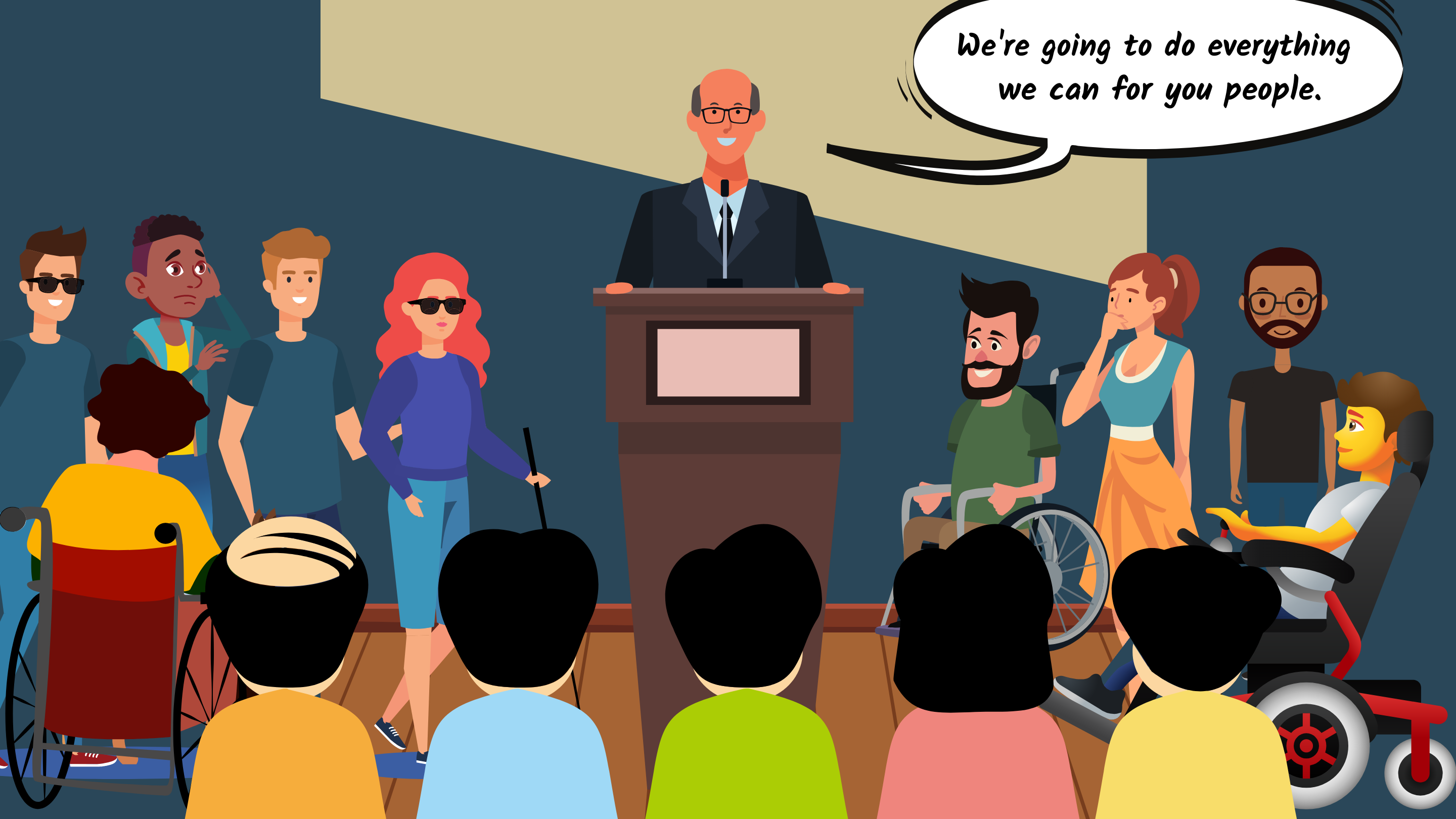
| Those words, "you people," echoed in my head. At that moment, my academic understanding of the "psychosocial aspect of disability" shot like an arrow from my head to my gut. For the first time, I felt it, like a blow. |
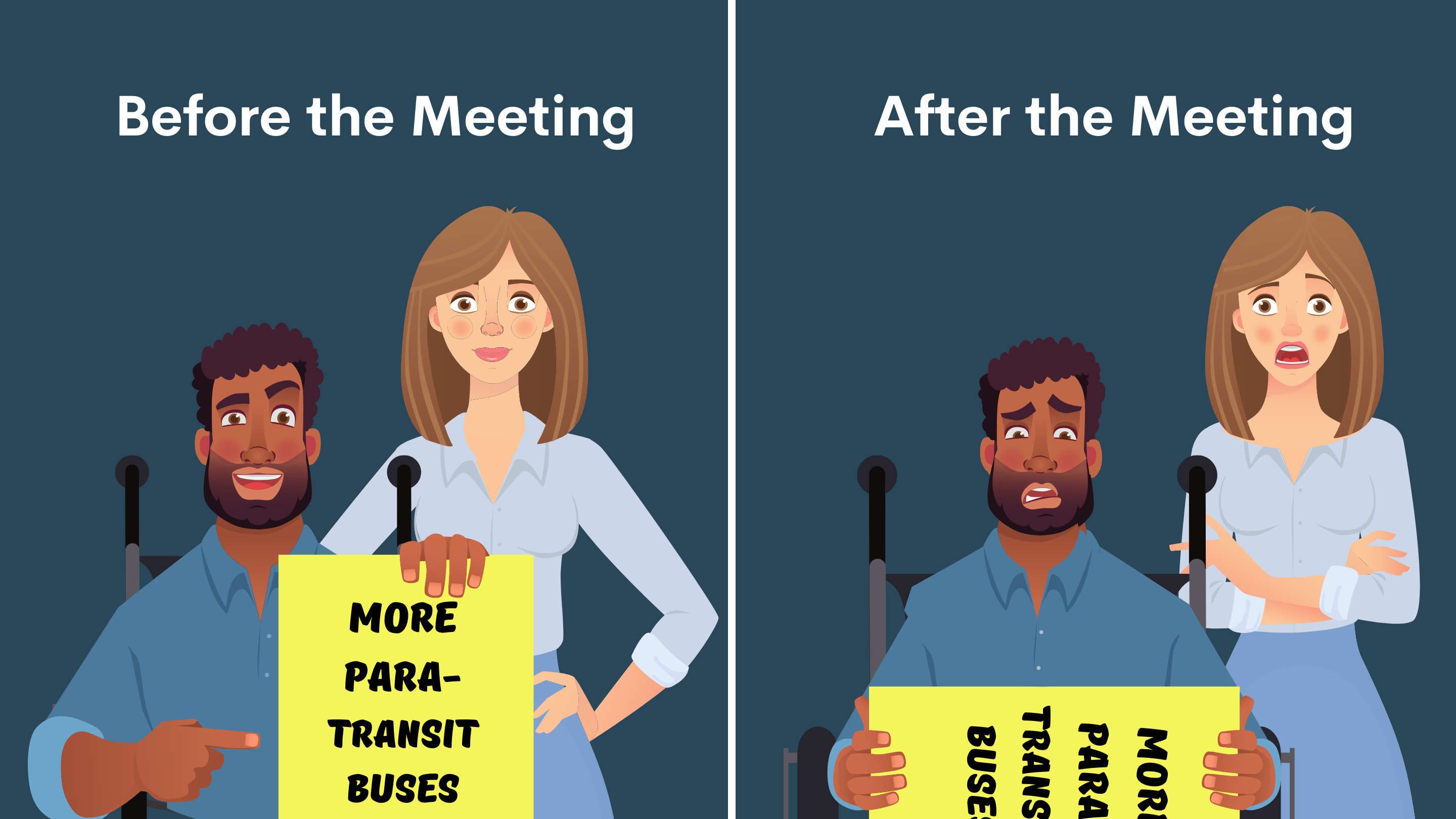
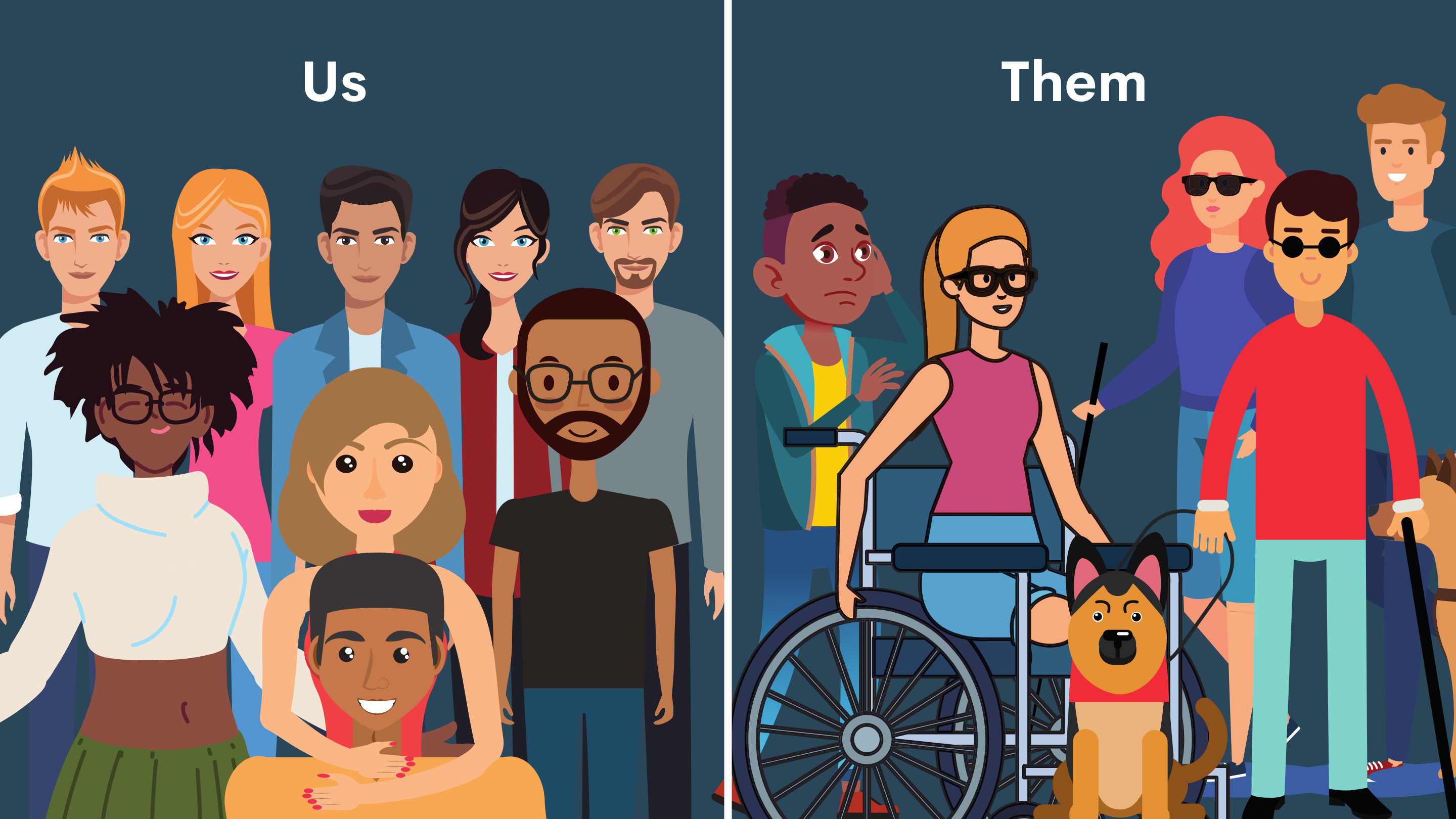
| Unintentionally, the senator's words cleaved our gathering into two groups: people like him--those without disabilities, and "you people"— those with disabilities. In short, us and them. |
| This story illustrates how words can highlight our differences and dim our commonalities. Yet, most who've been around the block a time or two know that people—those with and without disabilities—have far more similarities than we have differences. We have dreams, challenges, a longing to belong, and a desire to make meaningful contributions for which we are appreciated and fairly compensated. |
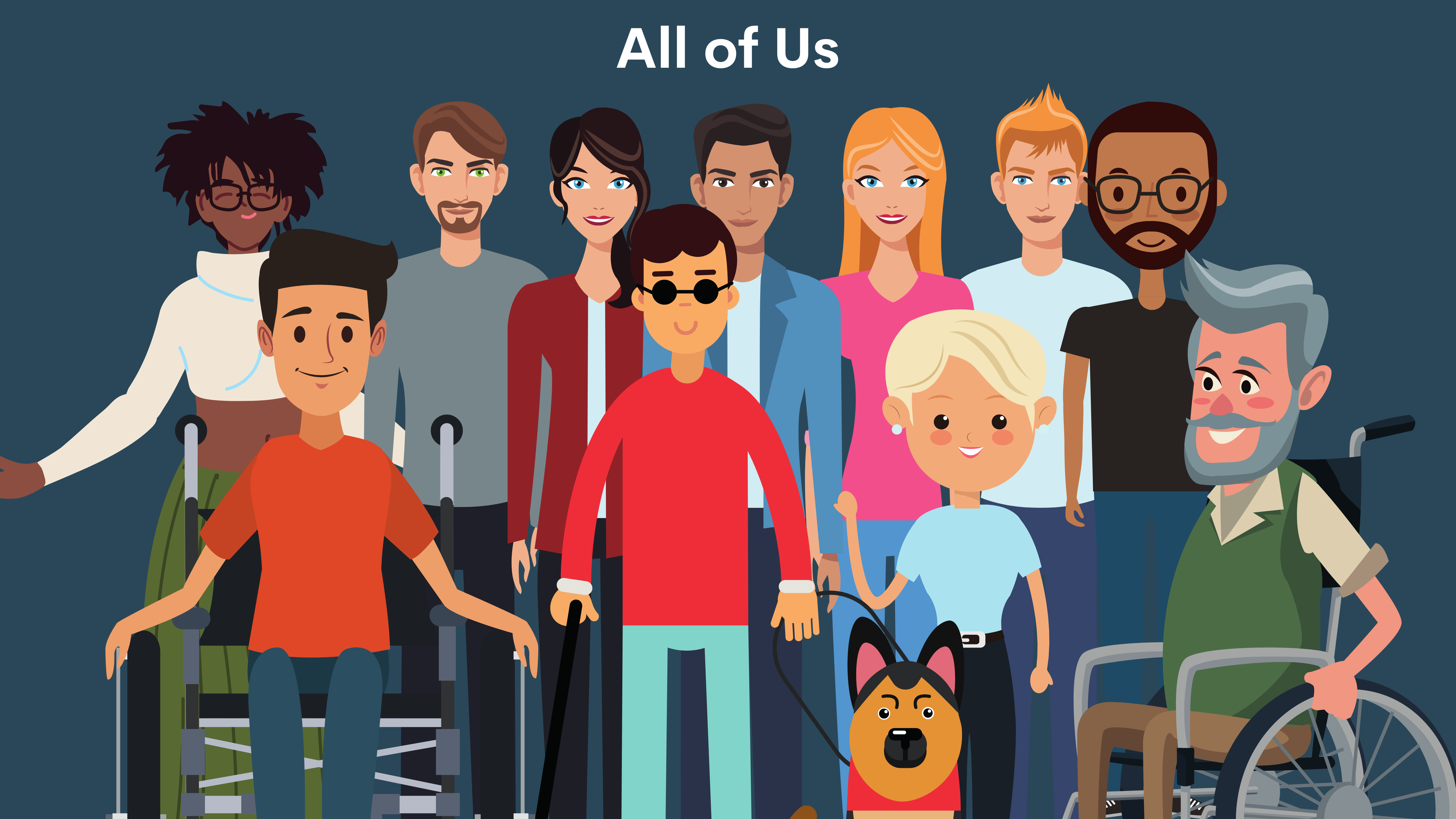
| Along that same line, an unacknowledged commonality is the shared experience of disability.
|