Self-Awareness In the group experience, youth can observe their similarities and differences, developing their own self-concepts. Often, they figure out who I'm not before answering who I am. Toward that end, youth will try various characteristics and personas to see which best fits. Similarities, they will discover, build the bonds of friendships, while differences can be celebrated as characteristics that make each person unique. Self-Affirmation  The counselor can promote self-affirmation by demonstrating appreciation for students' unique attributes. When appreciated, youth are more likely to develop the confidence necessary for self-affirmation (compassion) and self-determination (voice). Through modeling and encouragement, youth learn to acknowledge their own strengths while having compassion for their human imperfections. That balance builds the foundation they need to withstand future challenges and disappointments. In the face of failure, a youth operating from a strong foundation will respond accordingly: "It's okay. I'll do better next time. I know I can do it."
Self-Determination The counselor can promote the development of autonomy by encouraging youth to consider their options, make decisions, and experience the consequences of those decisions. When entrusted to make their own way, youth find their voice. From this place, they can better share their concerns, preferences, and needs with confidence. They can advocate for themselves. Group work in these areas helps youth answer the following questions: - Who am I? How am I similar to or unique from others?
- What activities, people, or things do I like or enjoy?
- What things do I do well? What do others say I do well?
- How do I clearly describe my disability so that others can understand?
- How do I confidently request my accommodations to get what I need?
- How do I confidently describe my interests, preferences, and abilities to get where I want to go?
Coping Strategies 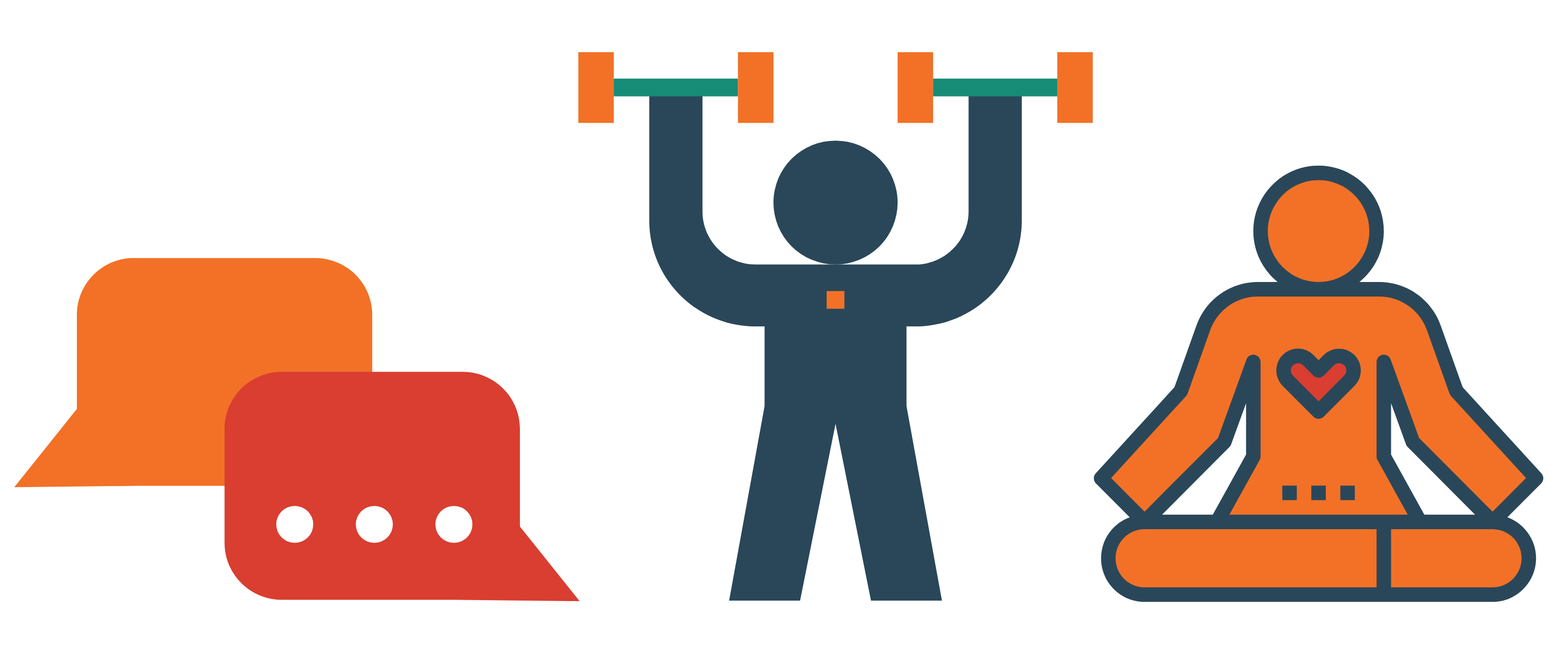
We acquire early coping strategies from our first teachers, including our parents. Likewise, this writer—whose mom soothed stressed nerves or uncomfortable feelings with sugar—has an overwhelming urge to dive headfirst into a quart of ice cream when feeling stressed or anxious. We learn early to escape uncomfortable feelings (e.g., anger, frustration, sadness) with all kinds of avoidance strategies. Likewise, avoidance, it is said, is the seed of all addiction. Additionally, depending on the instruction from our early teachers, we may acquire a set of maladaptive strategies to get what we need. These strategies may manifest as appeasement, indirect communication, passive-aggressive behavior, or violence. In a group's safe and supportive environment, youth can learn to identify behavior that is not healthy or acceptable in themselves and others. They can learn to recognize their negative feelings and how to manage them in healthy ways, including, for example, talking with someone, exercising, and yoga. They can also learn how to be direct, honest, and respectful with others while maintaining their own safe boundaries. It's a tall order and one that takes a lifetime. But, group is an excellent place to start. Work in this area helps youth answer the following questions: - What is acceptable behavior, and what is not acceptable behavior?
- How do I respond to somebody who is unkind or hurtful to me?
- How do I know when I'm feeling angry or hurt? (e.g., holding breath, clenching teeth)
- What situations trigger my negative emotions?
- What actions can I take to reduce my negative feelings in a healthy way?
|