| 
Meet Savannah! This module will feature Savannah in a case study illustrating the components of 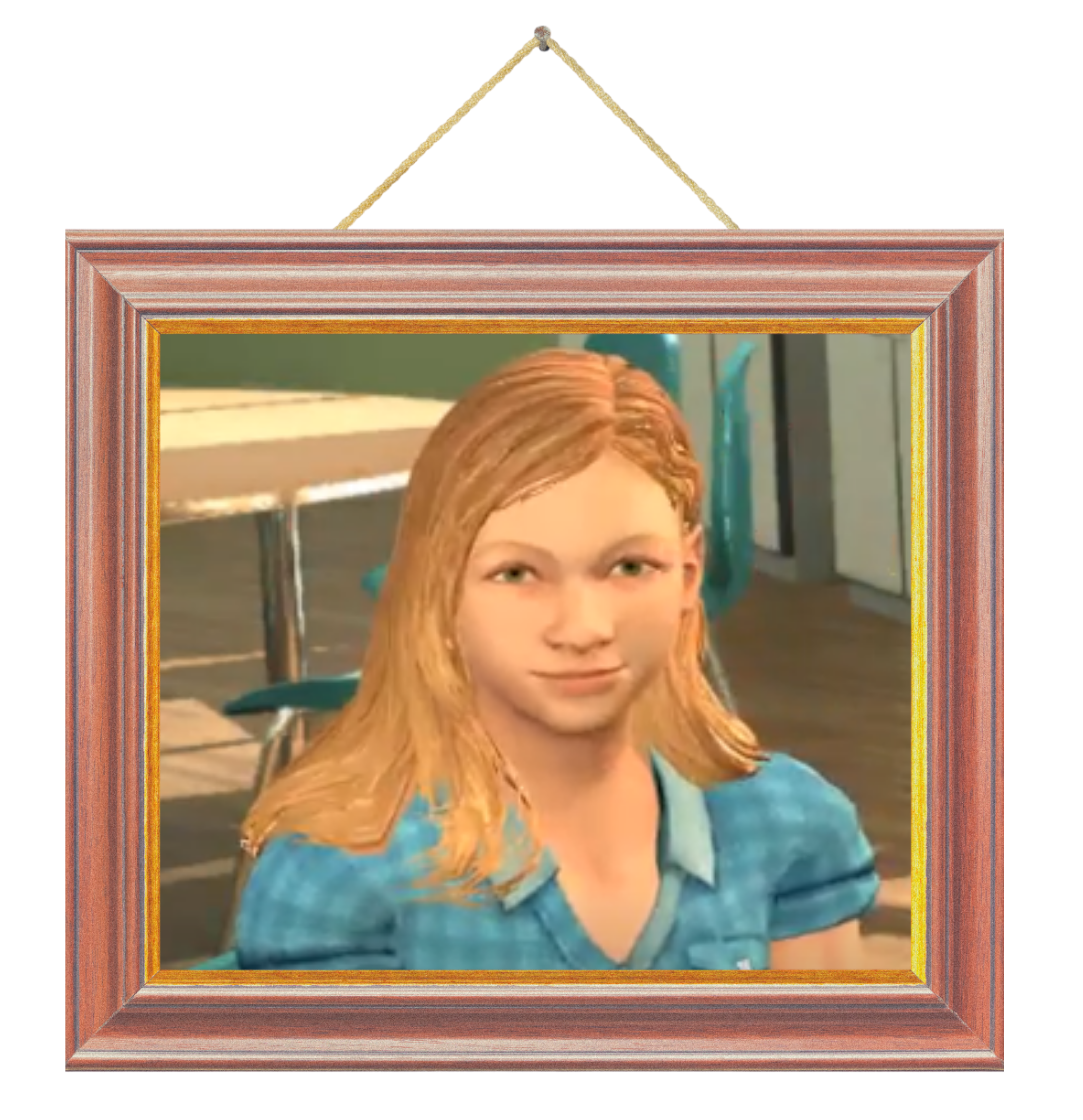 Business Services. After meeting with Savannah and securing psychoeducational records, the counselor completed the initial report and the certificate of eligibility. Business Services. After meeting with Savannah and securing psychoeducational records, the counselor completed the initial report and the certificate of eligibility. Initial Contact Report Savannah is a delightful 14-year-old girl who lives with an intellectual disability diagnosed when she was one year old.
Reported Disability & Impediment to Employment
Savannah struggles with learning. She requires repetition and ongoing coaching to learn simple tasks, assimilate necessary information (e.g., her phone number or address), learn basic social skills, and recognize and solve problems. Because of her learning and fine motor difficulties, Savannah takes much longer to learn tasks that others take for granted. Savannah is still unable to zip her coat or tie her shoes. Yet, the practice has paid off. Just this last year, Savannah and her family celebrated when she could finally buckle her own seatbelt. As noted by her occupational therapist, "Savannah can and will learn, but it will be on her timeframe, not ours."
Education History
Savannah reads at a 3rd-grade level. She is just now tackling double-digit math with success. Savannah is suspected to require both Supported Employment and Supported Living services. In anticipation of this, Savannah's parents placed her name on the Developmental Disabilities waiting list* when she was a toddler. Savannah spends much of her school day in the Life Skills classroom. This situation is a departure from her elementary school days, wherein she was in the regular classroom, assisted by a para-educator. Now, Savannah's integration into the regular learning milieu occurs only in PE, Art Class, and Band, where Savannah is learning to play percussion.
Work History
Savannah has no competitive work history. At school, she has participated in several work experiences, including recycling, delivering milk to elementary school classes, and gathering and delivering attendance and bus slips to the office.
Support System
Savannah lives with her parents and three older sisters who are off to college. All are very supportive and loving of Savannah. Savannah's parents hold the bar of expectation high. She, like her sisters, is required to contribute to her household by carrying out chores for which she earns a weekly allowance. Her parents are trying to teach Savannah the value of money and the connection between work and money. She is also required to put in some time each school night on homework. Savannah's parents want her to have the experiences afforded to all young people when they graduate. Likewise, her parents are looking into the Think College program and wonder if that's something VR can support. In addition to her family, Savannah has the affection of her teachers and classmates, including neurotypical classmates and those who live with disabilities. Savannah's elementary years were happy. Her peers—those with and without disabilities—always included her in birthday parties and attended her Special Olympics events to cheer her on. Savannah is now in Junior High, which has signaled a shift in inclusion. As the achievement gap between Savannah and her neurotypical peers has grown, a gap in common interests has grown, too. The sphere of interests and concerns of her neurotypical peer group now exceed Savannah's understanding. Thankfully, Savannah is getting to know classmates who also live with disabilities.
Reported Interests, Abilities, & Preferences
Savannah enjoys helping out at home and often announces, "I am a good helper!" Savannah feeds the dog, sorts, washes, and dries the household laundry, and loads and empties the dishwasher. She is also responsible for her daily grooming habits. She enthusiastically tackles these tasks but requires ongoing coaching and quality control. Savannah loves instructing others on how to do something. In her spare time, Savannah pretends to read to her imaginary friends and asks them comprehension questions. She appears to have imprinted her very supportive teachers and para-educators over the years as she offers supportive prompts and praise to her students. Savannah wants to be a teacher.
Certificate of Eligibility
Savannah has a significant disability that presents an impediment to employment. As a result of her disability (Intellectual Disability), Savannah is unable to independently: -
-
Learn and Retain New Information/Skills as is required to pass classes or get and keep a job -
Problem Solve as is required to overcome everyday barriers to successful learning in school and effective performance at work -
Understand verbal and written communication beyond a certain level as is required to independently learn in the classroom and or on the job site -
Express herself verbally and in writing as is required to communicate effectively in class and in the workplace Savannah requires the following services: -
-
Vocational Exploration (Discovery) to help her identify her interests and abilities -
Customized Employment Services to help her secure employment compatible with her and abilities -
Supported Employment Services to help her maintain her employment -
Workplace Accommodations including: -
-
- Repetition of instruction and multiple opportunities to practice new academic or employment skills
- Memory tools (e.g., task list)
- Instruction in decision making to help her:
-
- Recognize a problem
- Identify solutions to the problem
- Evaluate the consequences of a problem
- Make a decision
- Communication assistance to help her:
-
- make sense of oral and written information and
- express herself clearly, both verbally and in writing
Next Up: Using the discovery process from Customized Employment, the counselor begins uncovering Savannah's interests and abilities, translating them to contributions for the workplace. The following pages include the findings of two separate interviews. |